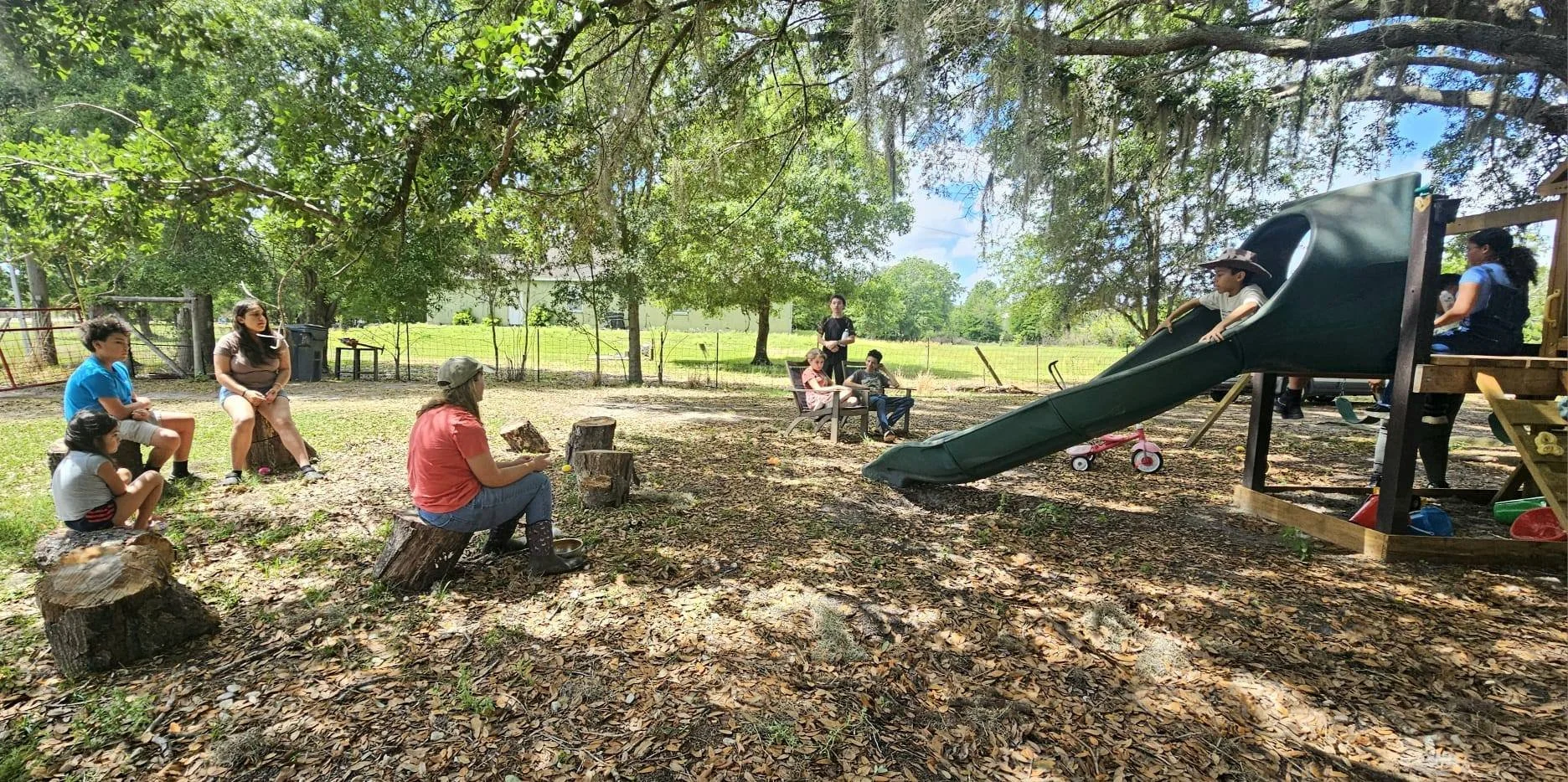

Meet the Instructor
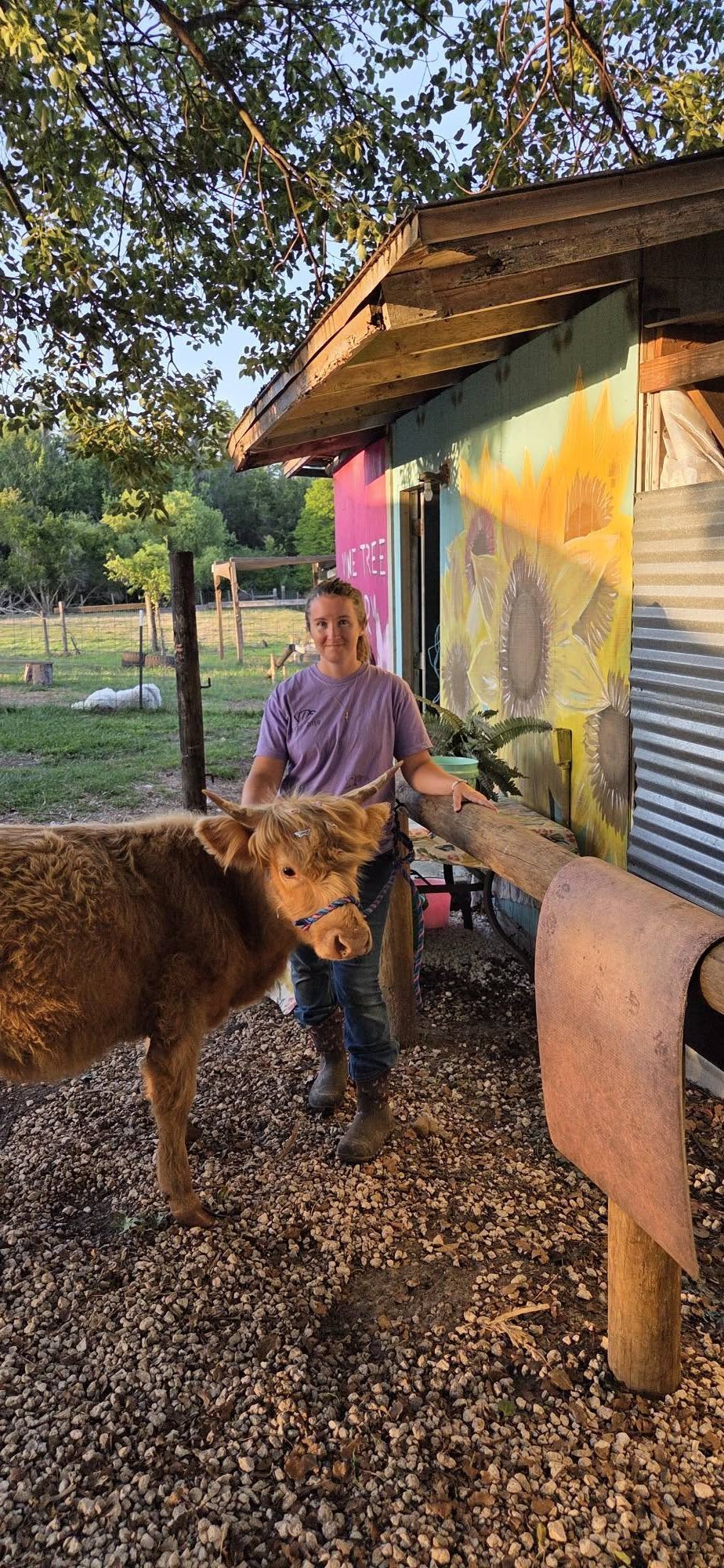
Hi! I'm Emily, a mom to a four-year-old who joins me during many of our classes. I grew up on my family hay farm, where I spent my childhood caring for animals and showing livestock through 4-H. It was there that I developed a passion for registered Holstein dairy cattle and a lifelong love of agriculture.
I studied Animal Science in upstate New York and worked on a commercial dairy farm, milking an 80-cow herd while competing on a dairy judging team that traveled across the country evaluating dairy cattle. After returning home, I gained experience on a pasture-raised livestock farm, working with laying hens, meat chickens, pigs, and poultry processing before moving to Polk City to establish our family homestead.
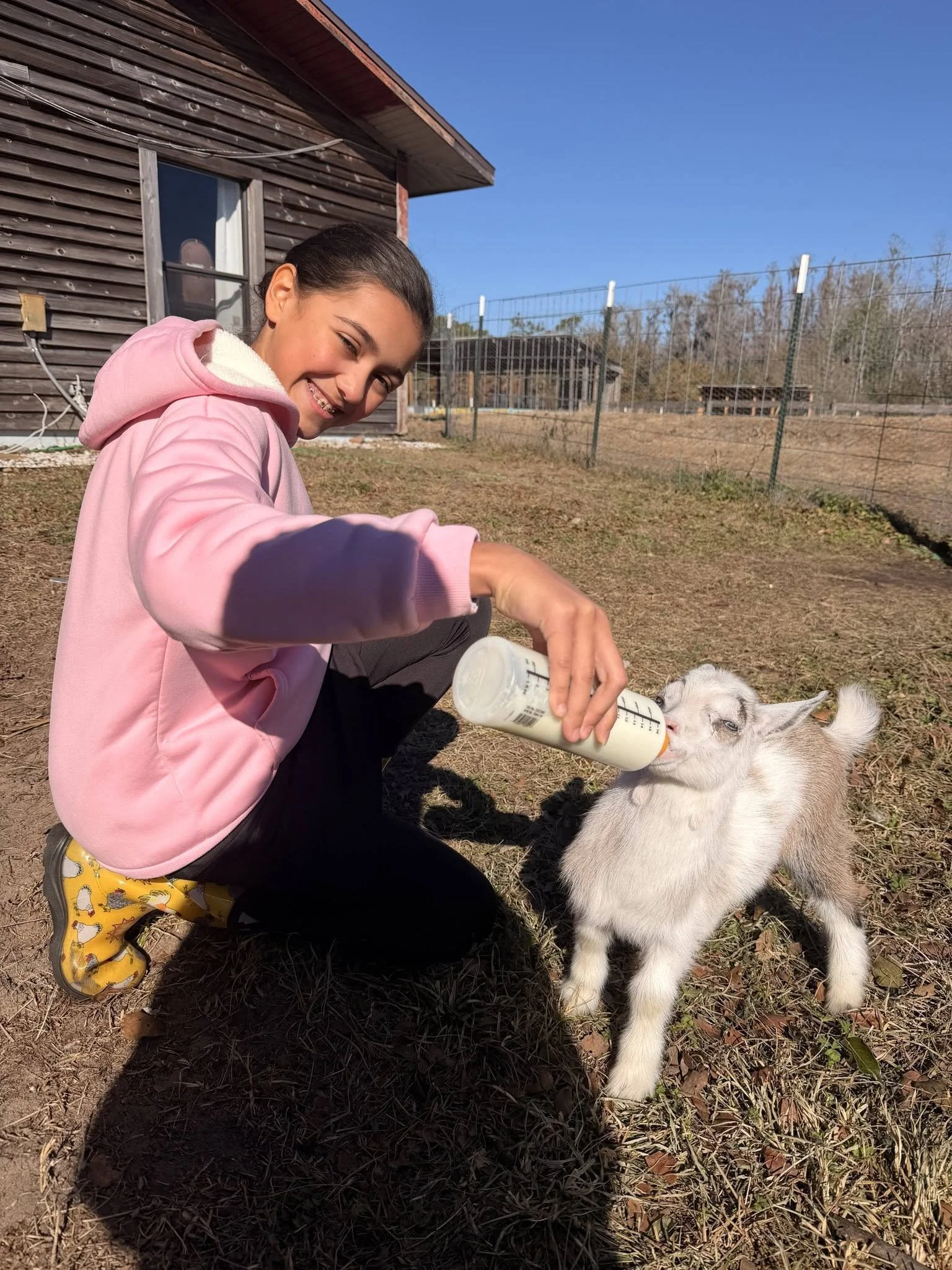
Today, I raise registered Nigerian Dwarf goats, teach Farm School, make goat milk soap, and serve as a kindergarten faith formation teacher at our church. My goal is to help children and families connect with agriculture through hands-on learning while sharing the knowledge, values, and passion for farming that have shaped my life.
Ask me anything!
Parents are expected to stay during classes unless prior arrangements are made. Younger or older children- not attending the program- may remain with parents in designated areas during class time.
Classes offered
Program Duration: One Month or 4 classes
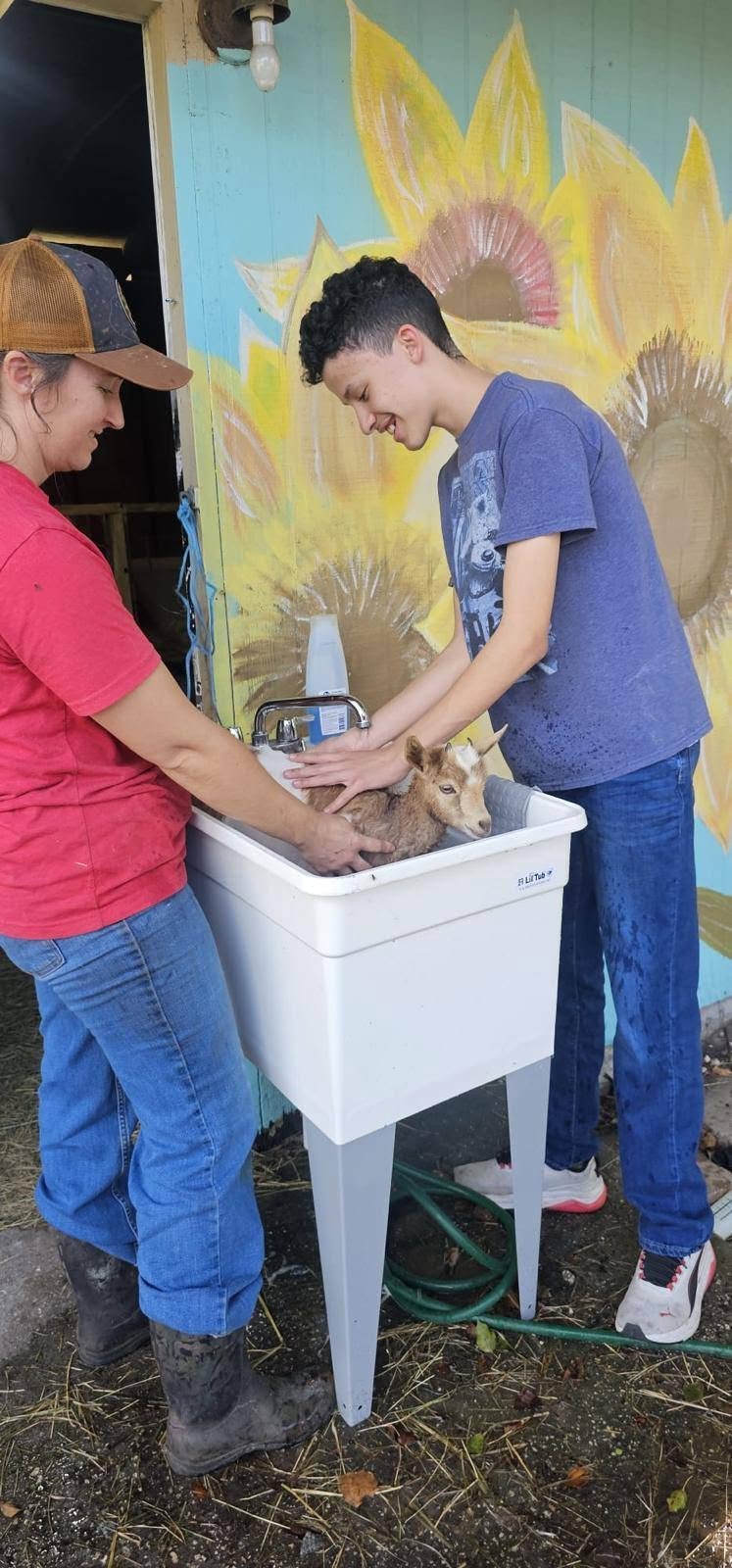
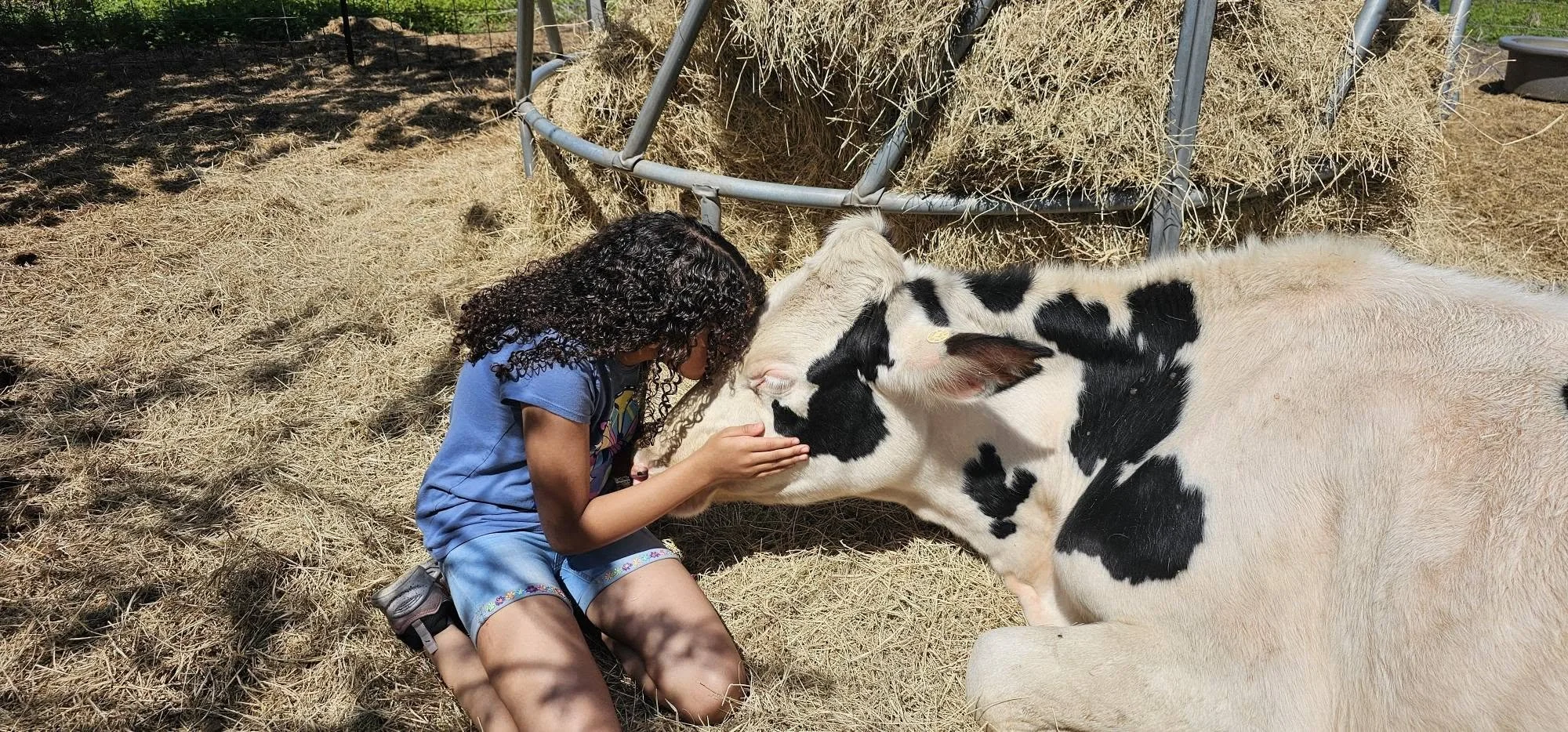
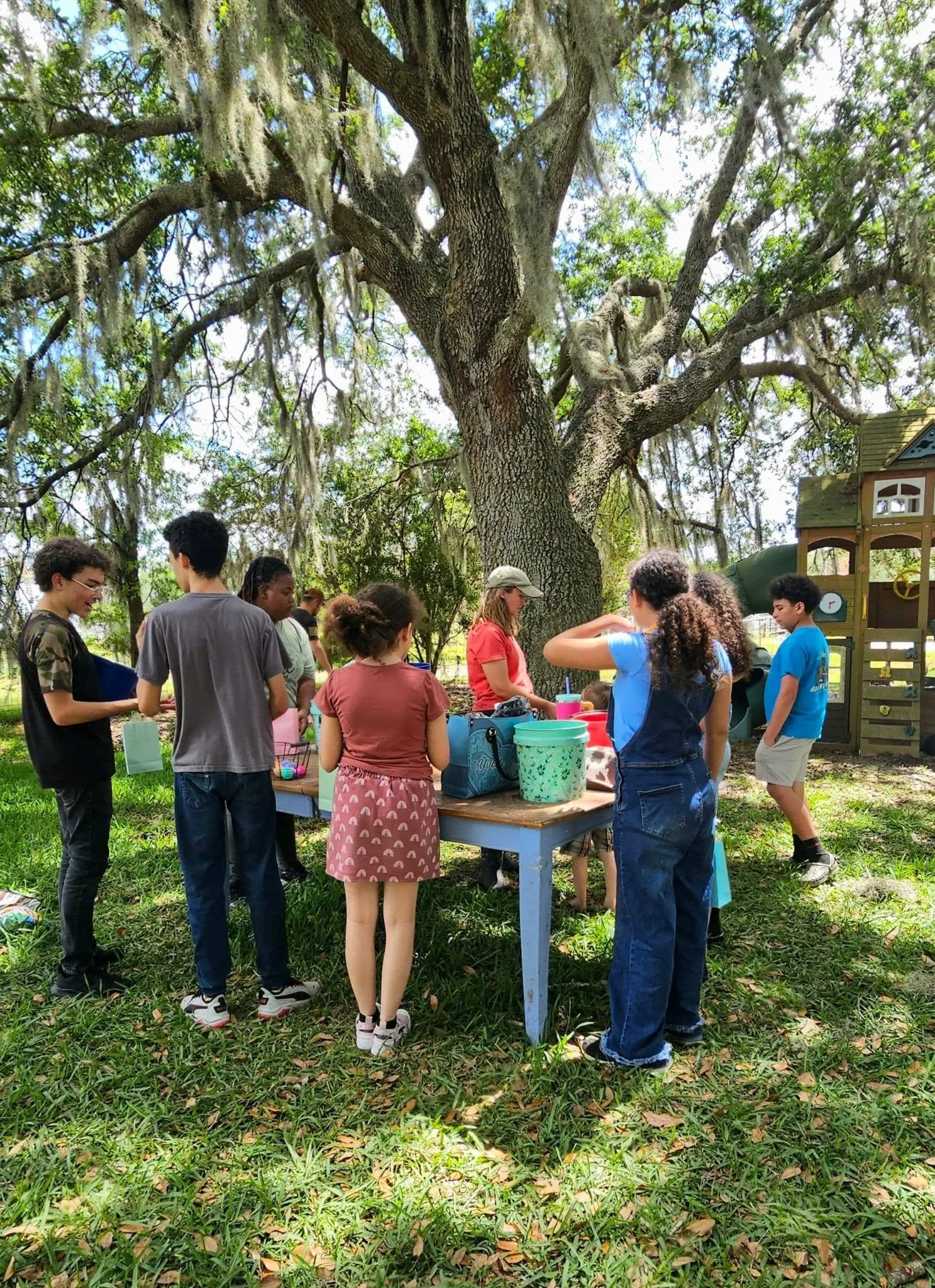
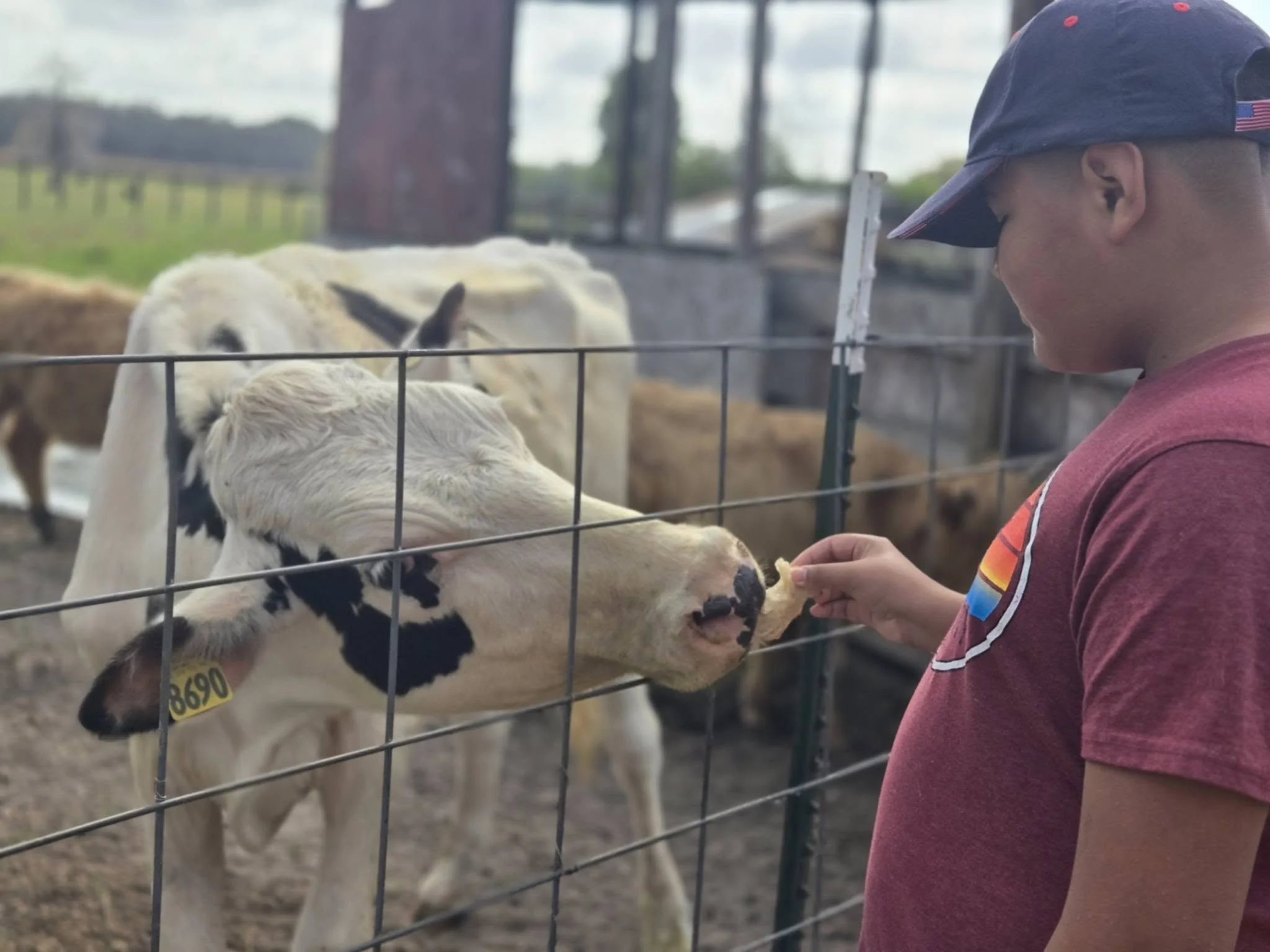
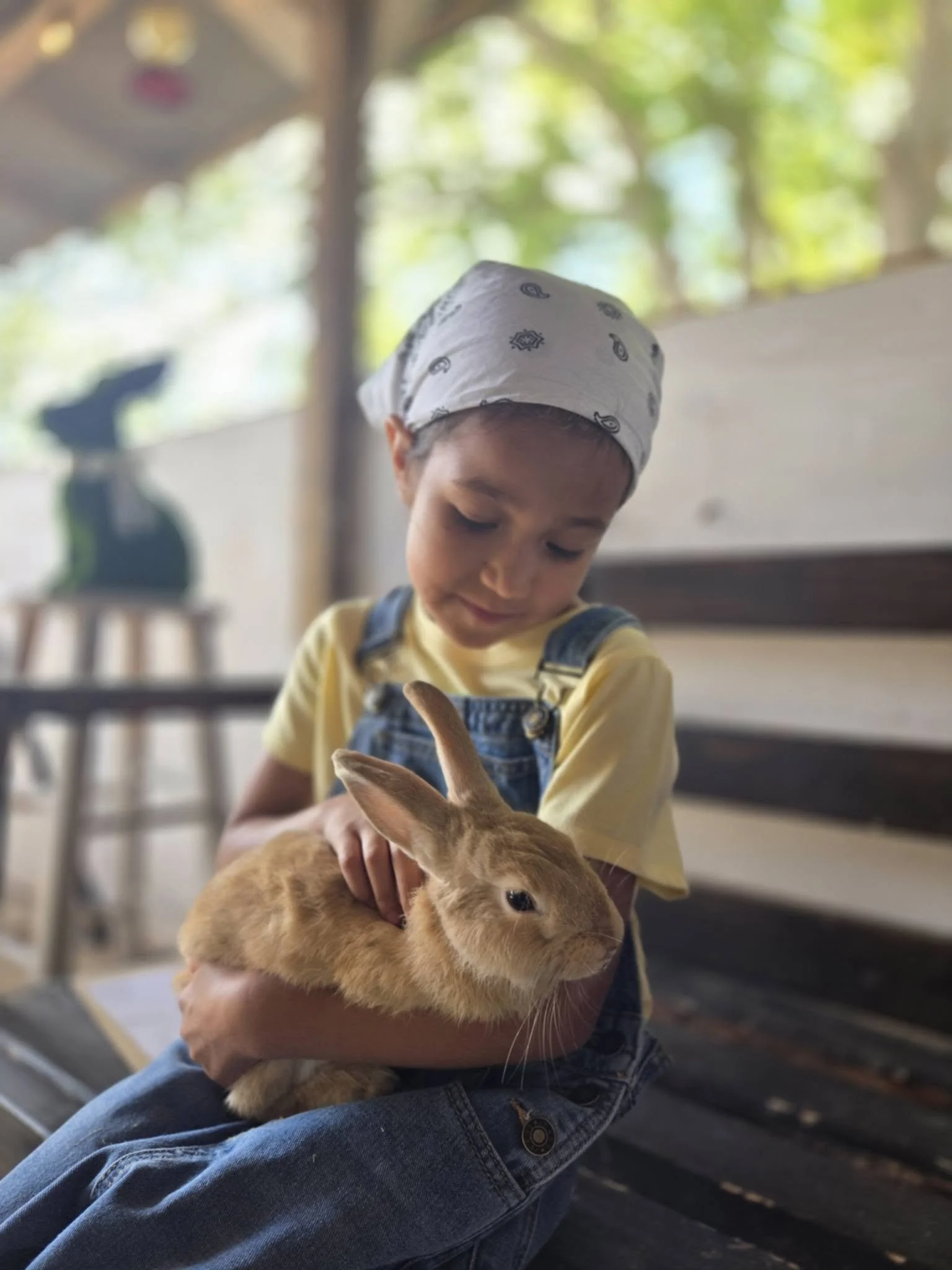
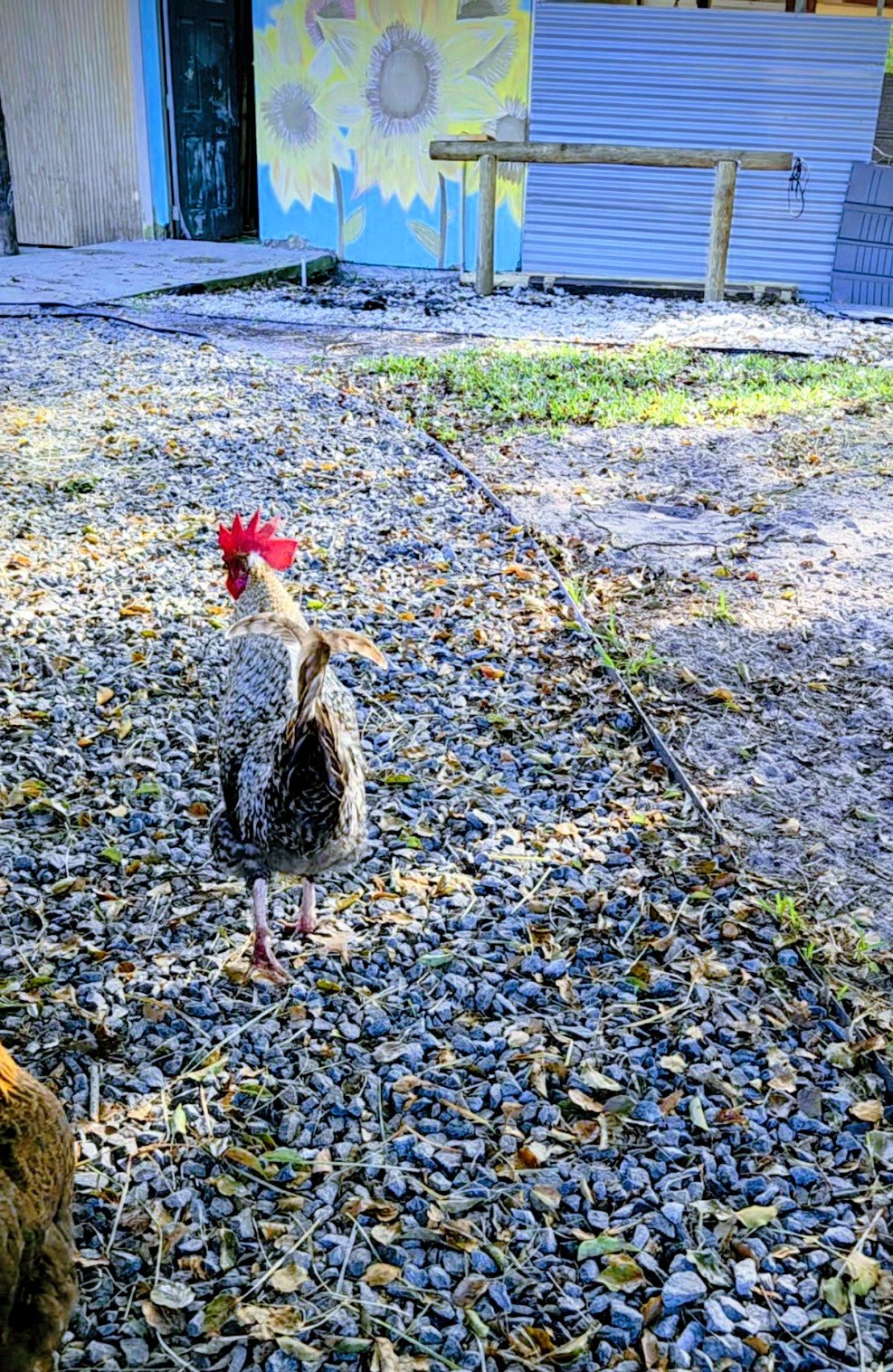
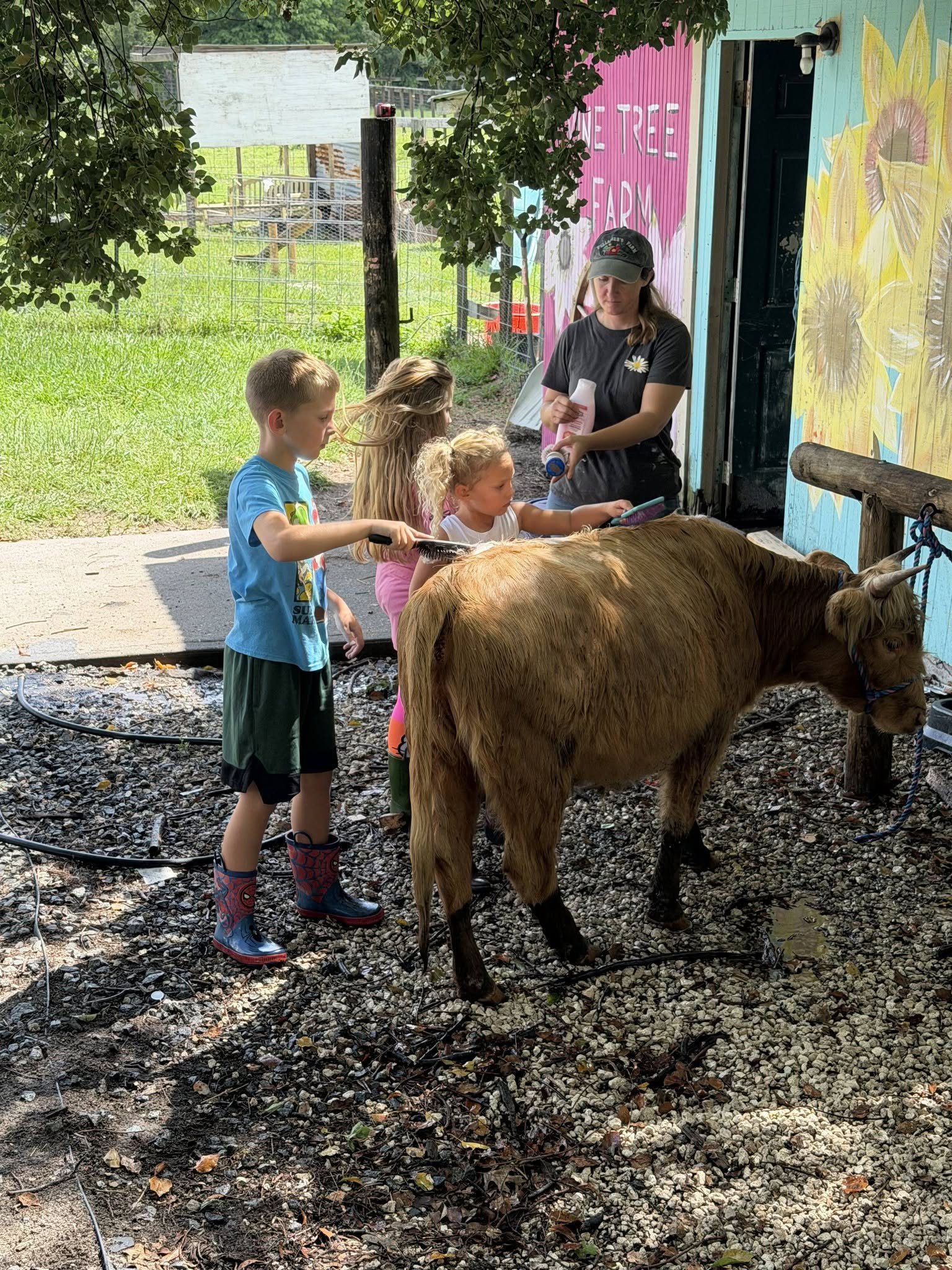
Each student will attend one two-hour class per week. Every class is a hands-on farm experience where students actively participate in daily farm responsibilities such as feeding animals, cleaning and caring for living spaces, and learning proper animal handling and husbandry techniques.
Each week will feature a different farm task based on seasonal needs, giving students real-life exposure to how a working homestead operates. This allows them to build practical skills, confidence, and a deeper understanding of farm life.
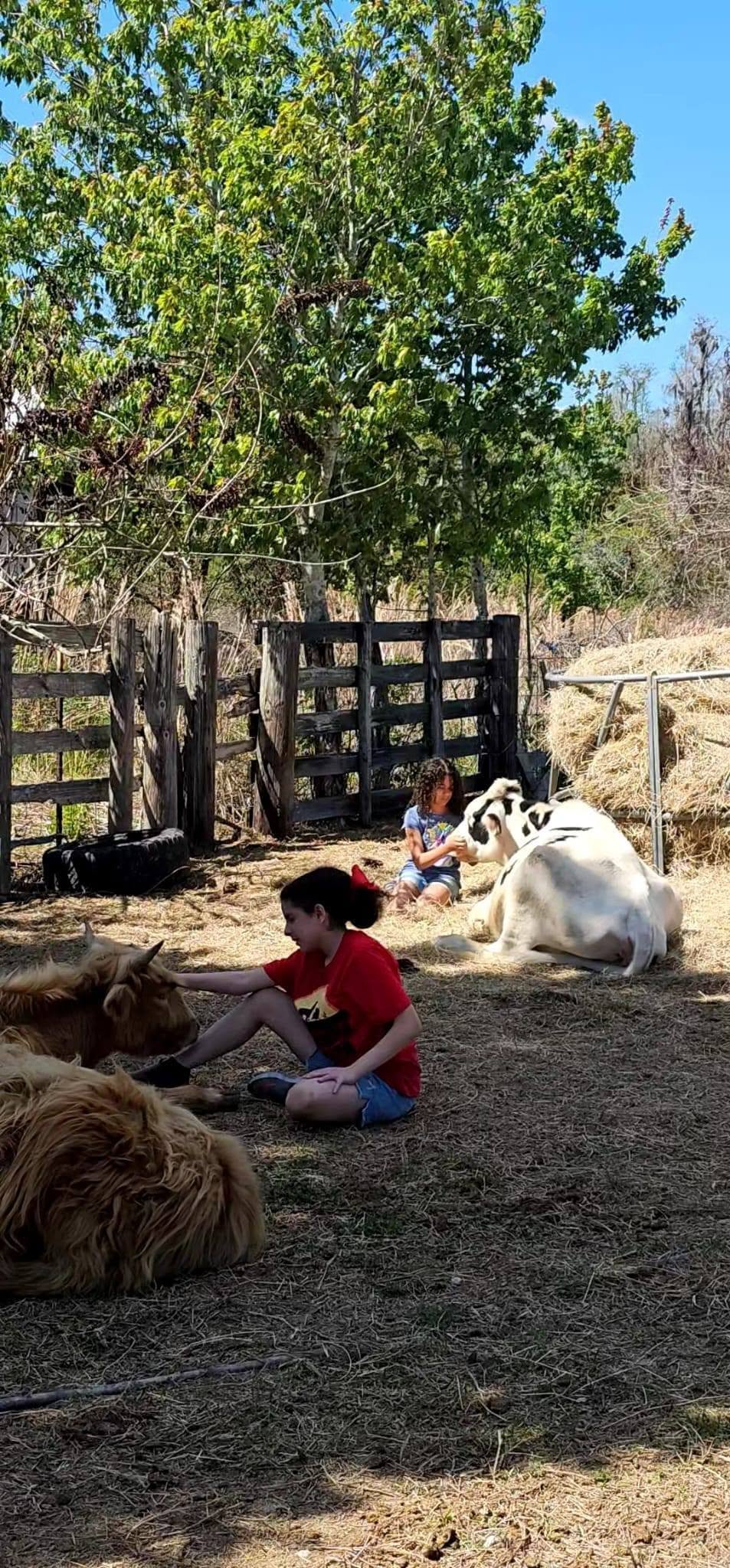
In addition to structured activities, each class includes 30 minutes of intentional free time. During this time, students are encouraged to bring a book or journal, or simply enjoy observing and spending quiet time with the animals. This helps foster connection, reflection, responsibility, and a calm relationship with the farm environment.
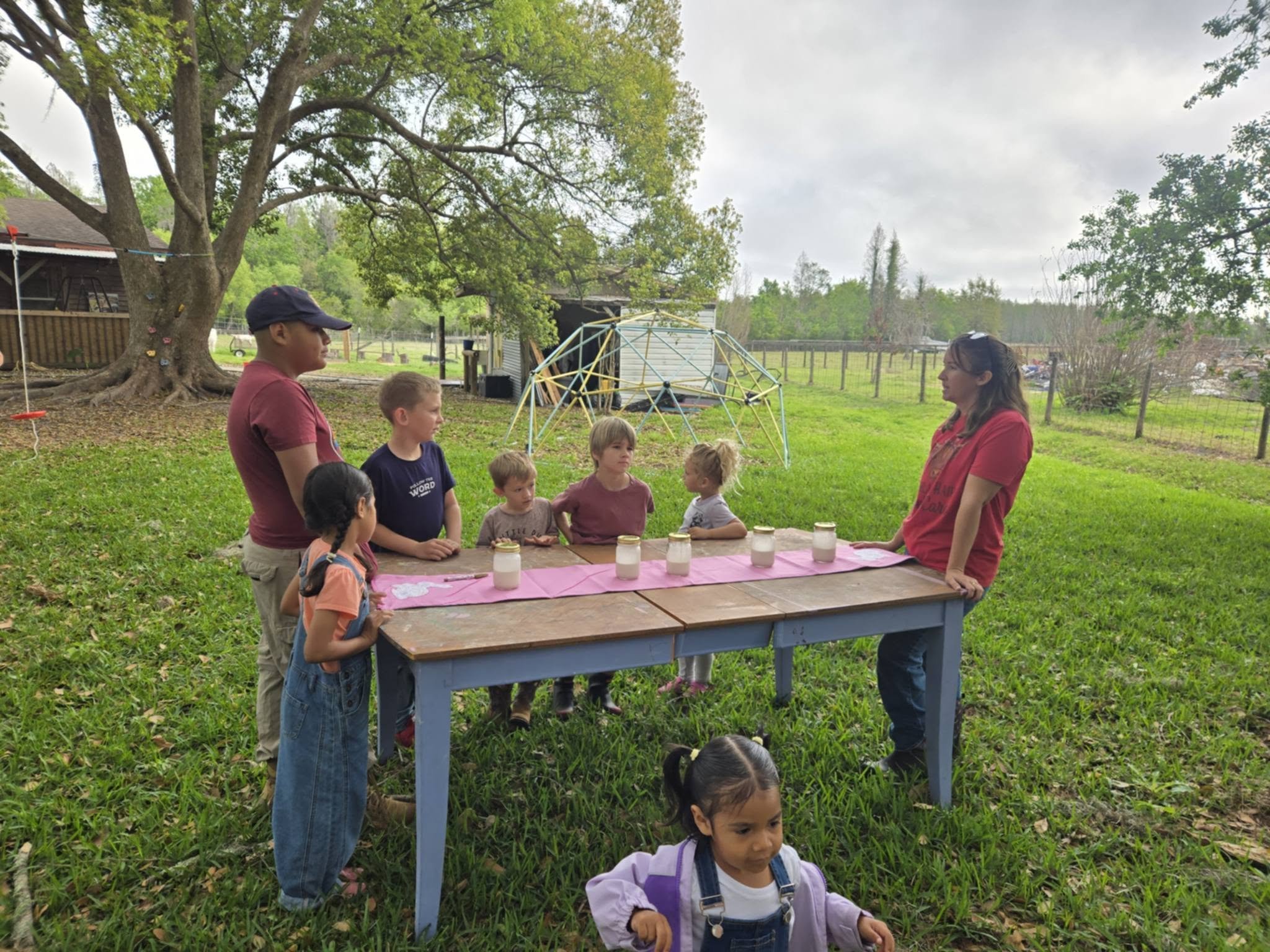
Classes are limited to 5 students to ensure safety, individualized instruction, and meaningful hands-on participation.
When goat milking, sourdough making, and dog treat baking hit the scheduled roster!
Looking for a fun, hands-on farm experience in Polk City without a monthly commitment? We’re opening up custom, 1-hour private farm lessons!
Here’s how it works:
Location: Polk City, FL (near North Lakeland)
Investment: $50 per student
Group Size: Up to 5 students per hour! (More than 5 students? We just add another hour!)
Setup: A 1-time hands-on lesson — pick your topic, pick your day!
Choose your lesson topic:
How to Milk a Goat
Make Butter Out of Cream (and learn about milking!)
Make Ice Cream (and learn about milking!)
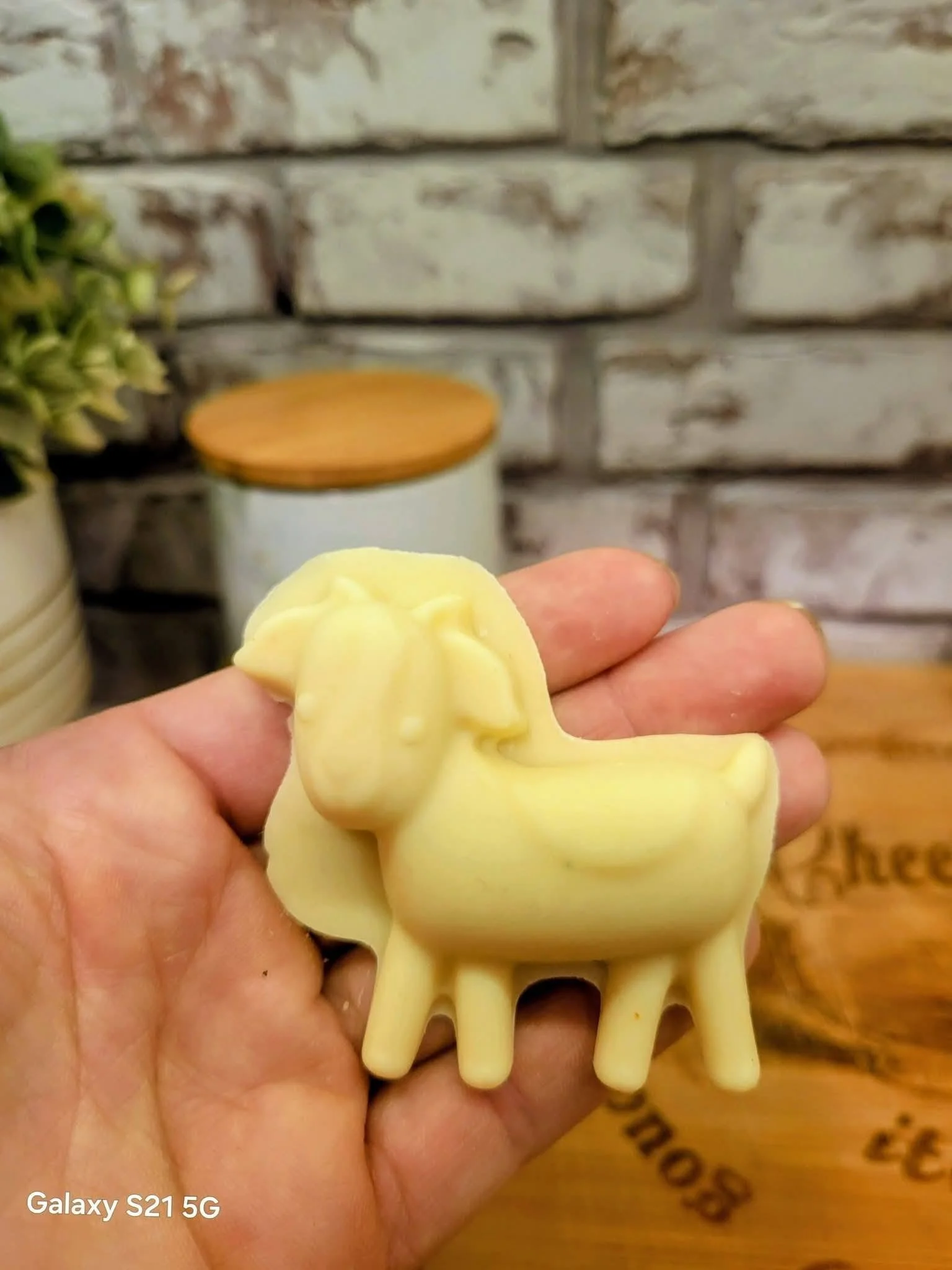
Make Goat Milk Soap to take home
Learn how to make Sourdough to take home
Learn About Ruminants with cool hands-on experiments
Dogs on the Farm: Learn about farm dogs & make dog treats to take home
Direct provider - this class is pending
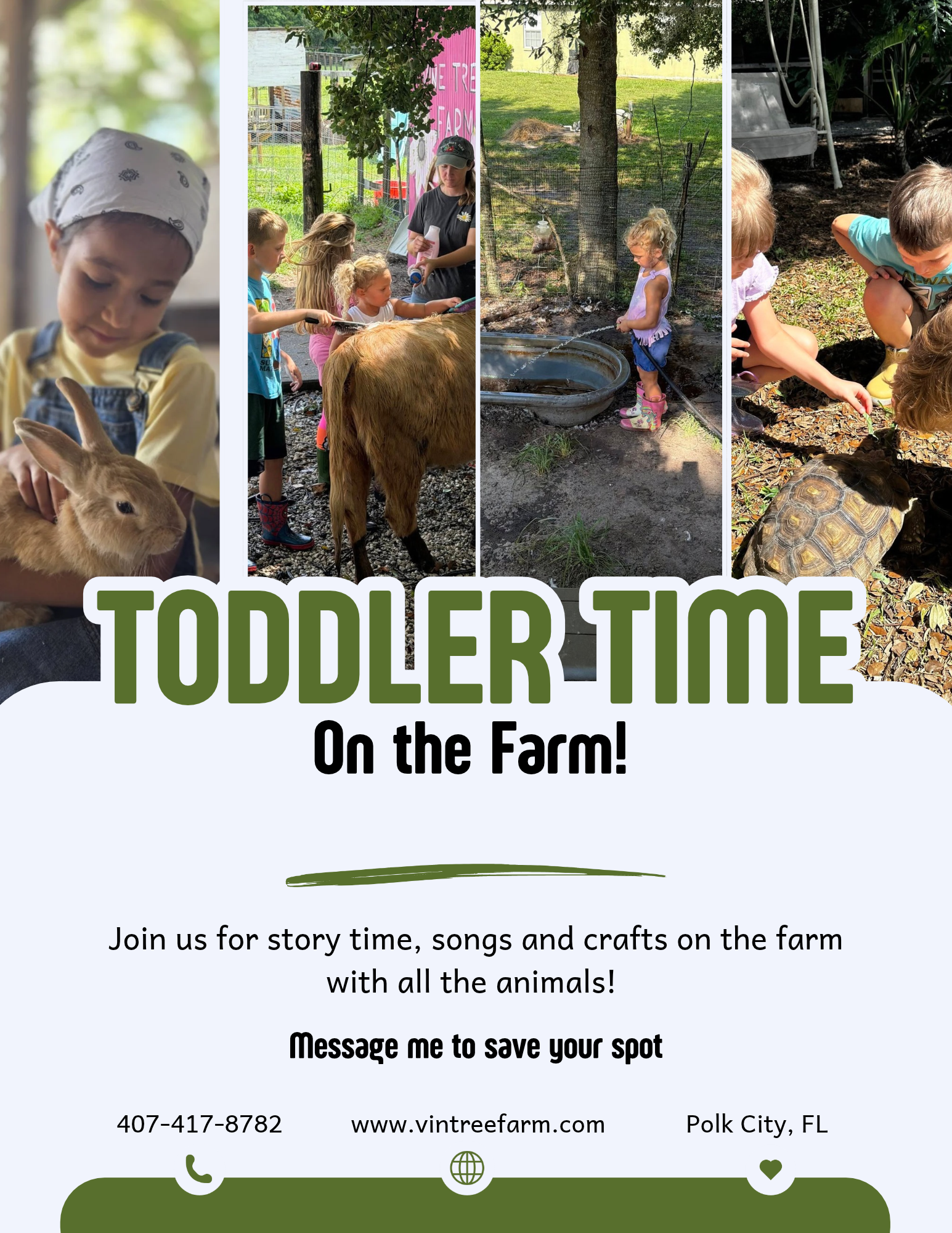
New toddler time on the farm!
We are so excited to announce a BRAND NEW weekly class! Spots are extremely limited to only 5 students per class to keep it personal and hands-on.
Class Time Options:
• Tuesdays: 8:00 AM - 9:00 AM
• Tuesdays: 1:00 PM - 2:00 PM
• Wednesdays: 8:00 AM - 9:00 AM
• Fridays: 8:00 AM - 9:00 AM
Class Structure:
• Welcome song & storybook (15 mins)
• Free play (15 mins)
• Hands-on learning stations - 4 stations, 5 mins each (20 mins)
• Goodbye farm wrap-up (10 mins)
Located in Polk City, right near North Lakeland!
Includes access to our indoor air-conditioned classroom.
$80 per month (all materials included)